Carrying It Forward: A Conversation on Past and Present Show Hounds
A conversation across generations, Ben White and Lindsey May share their perspectives on the show bred American Foxhound—where the breed has been, how it’s changed, and what it takes to carry its type and purpose forward.
SIRE SHOWCASE
5/4/20267 min read
Interview Feature: Ben White & Lindsey May
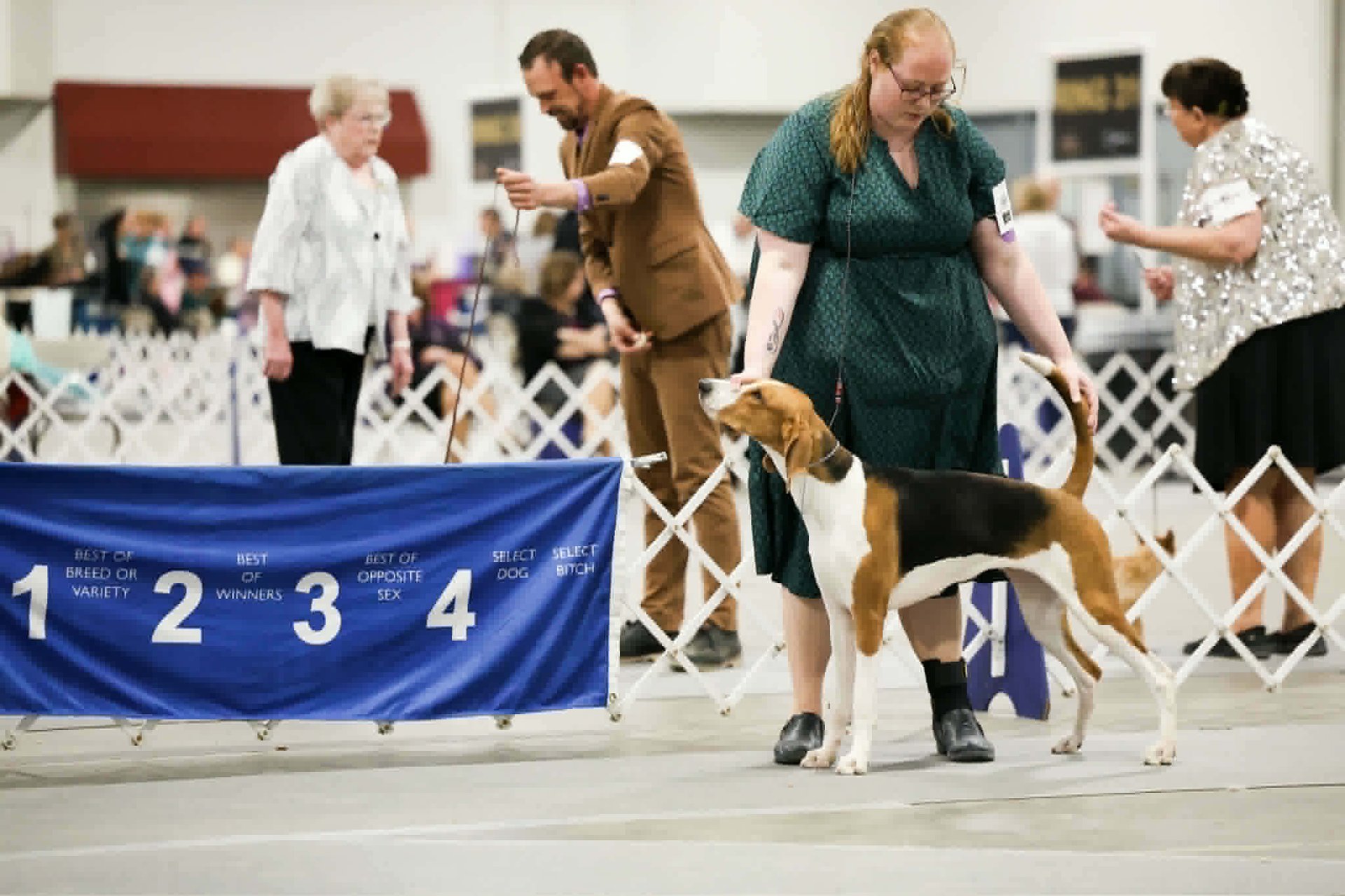
Ben White grew up immersed in the foxhound world, raised among packs of working hounds and shaped by generations of hunters who valued both performance and type. Lindsey May brings a modern perspective, having spent the past 12 years showing and breeding American Foxhounds.
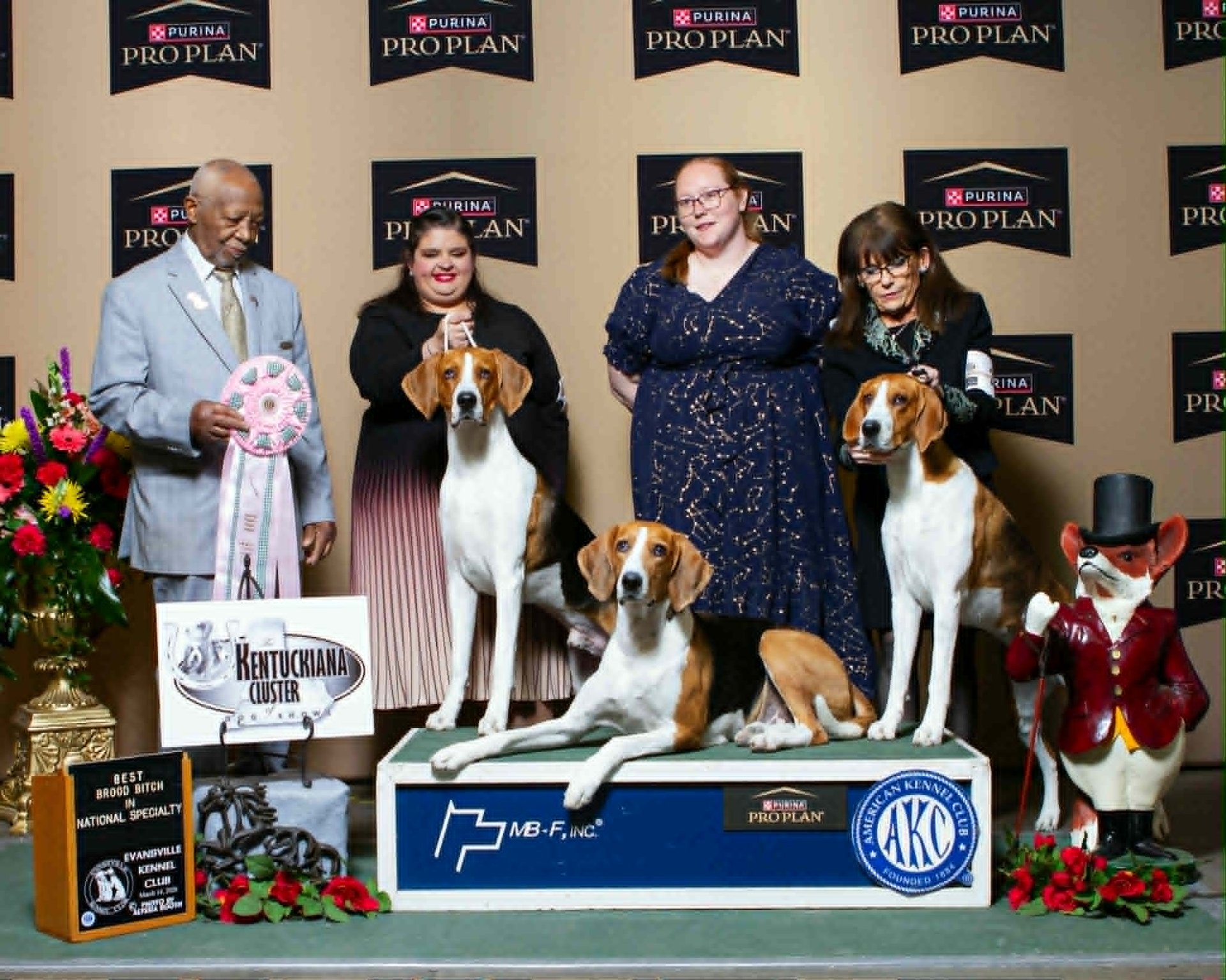
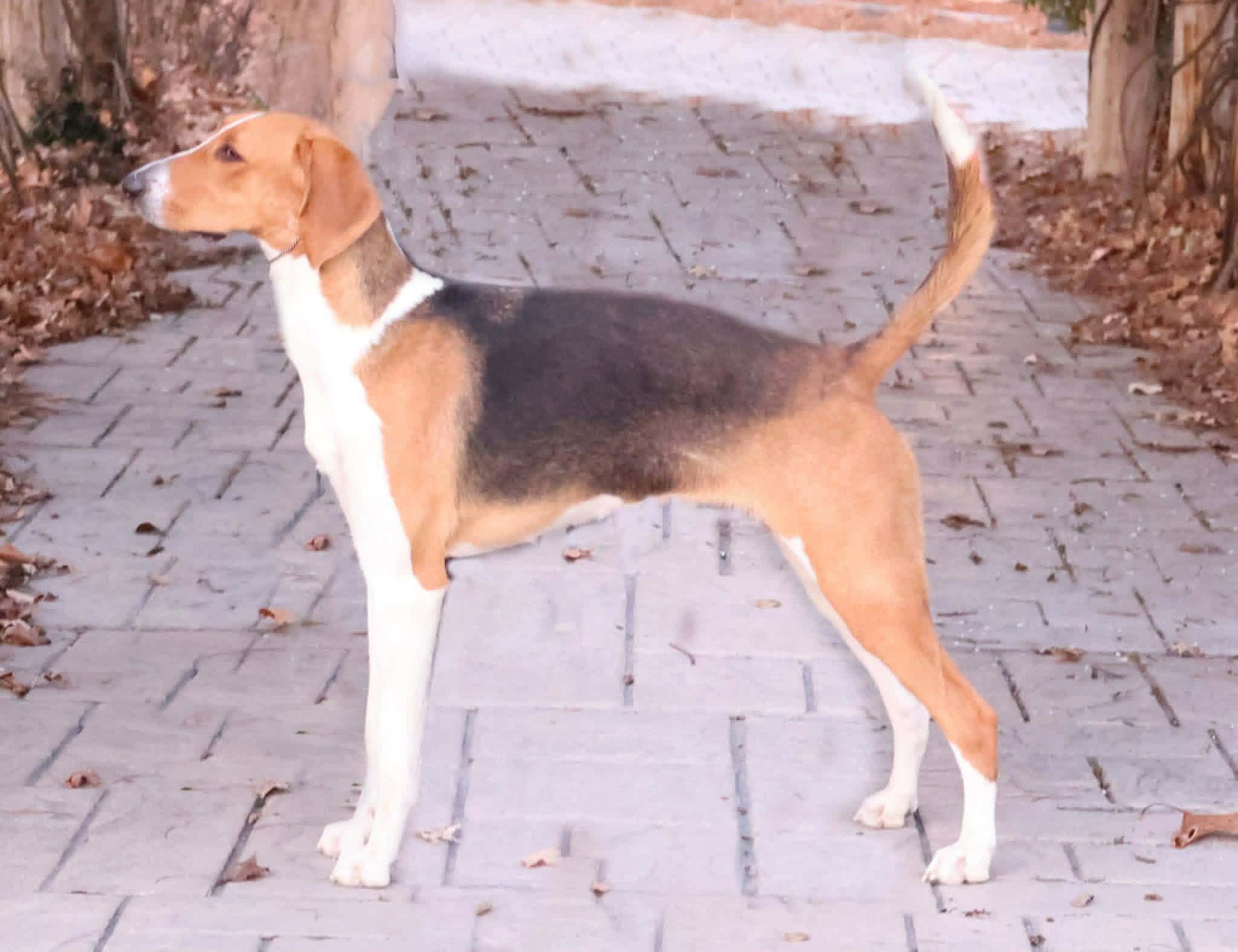
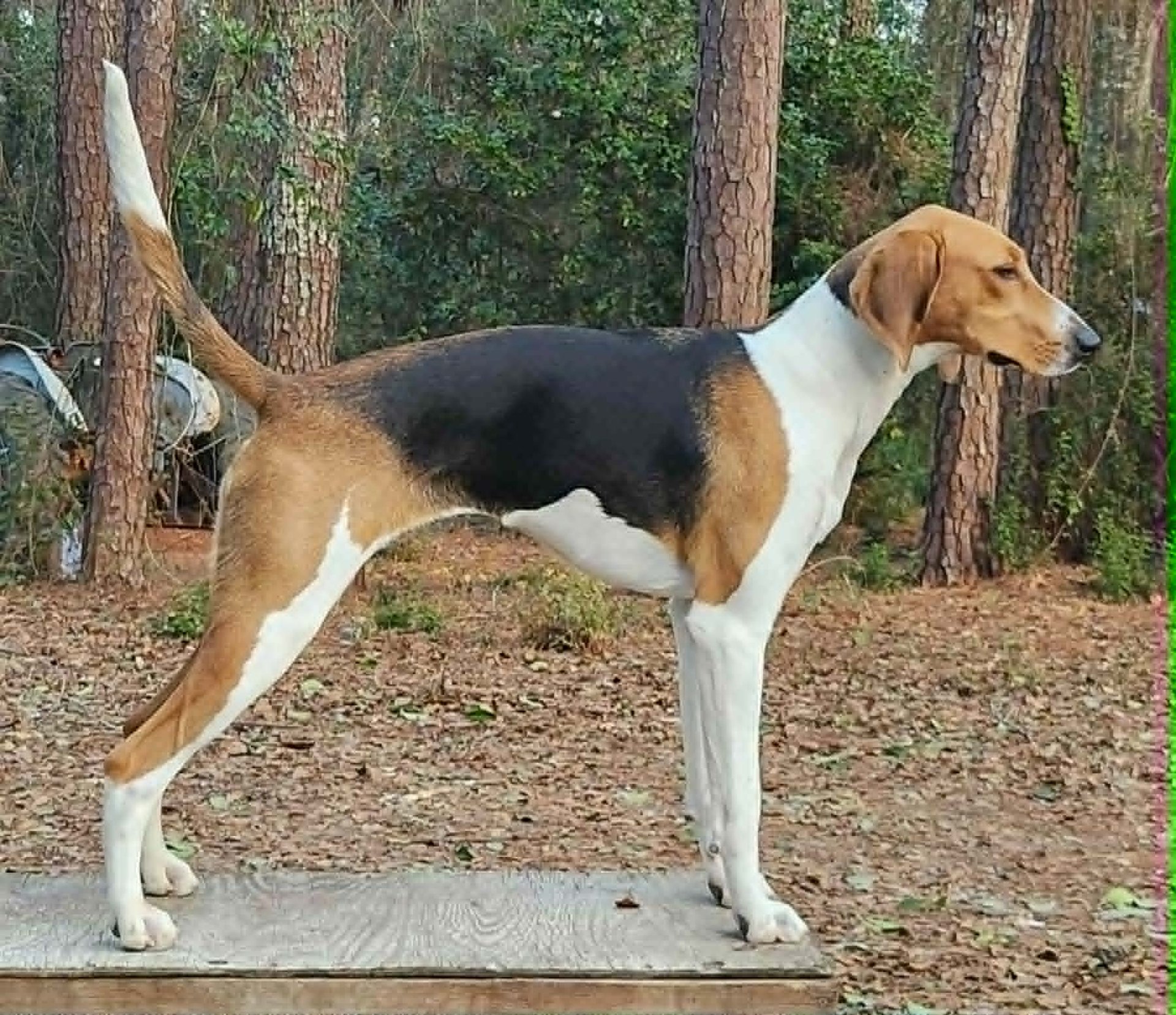
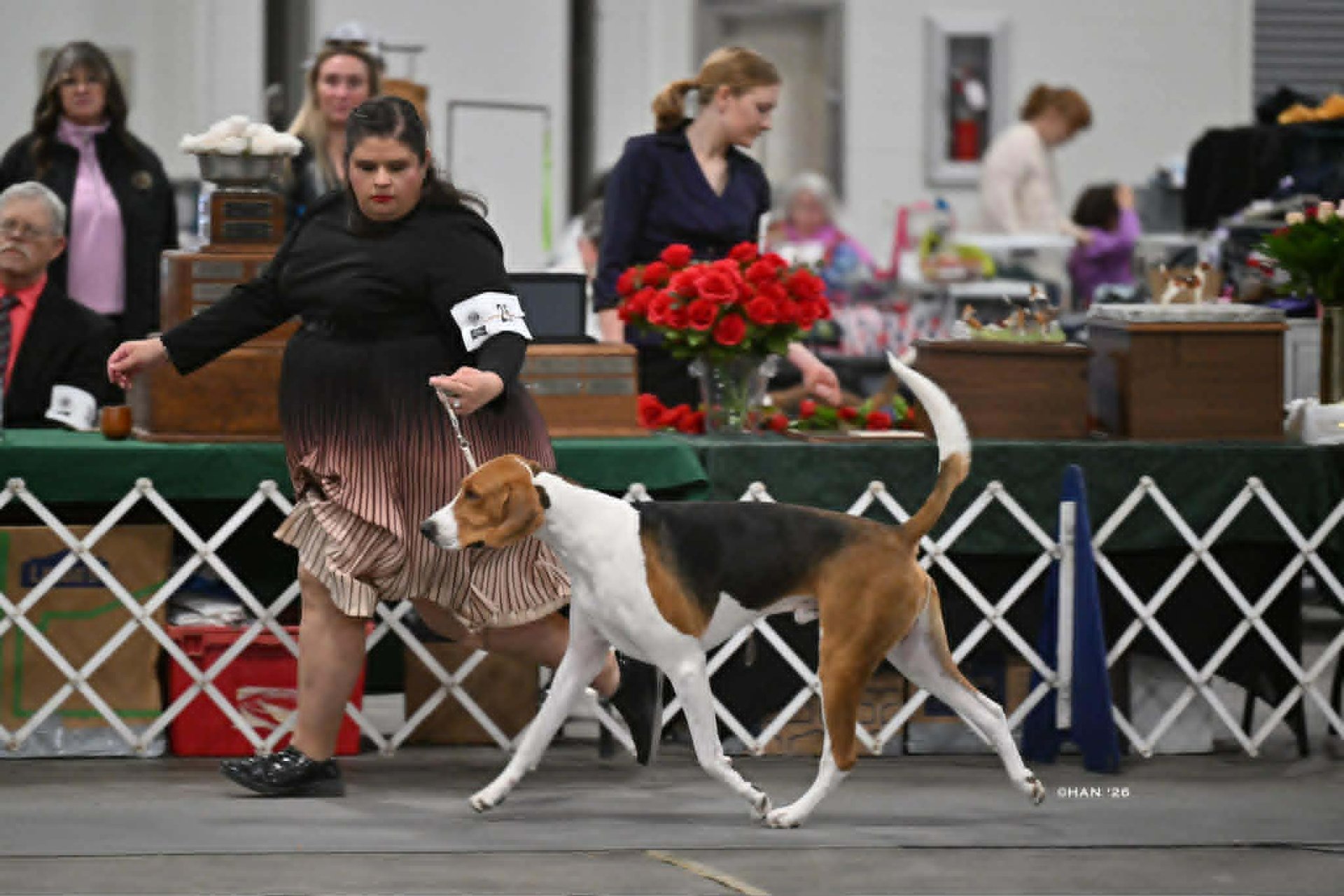
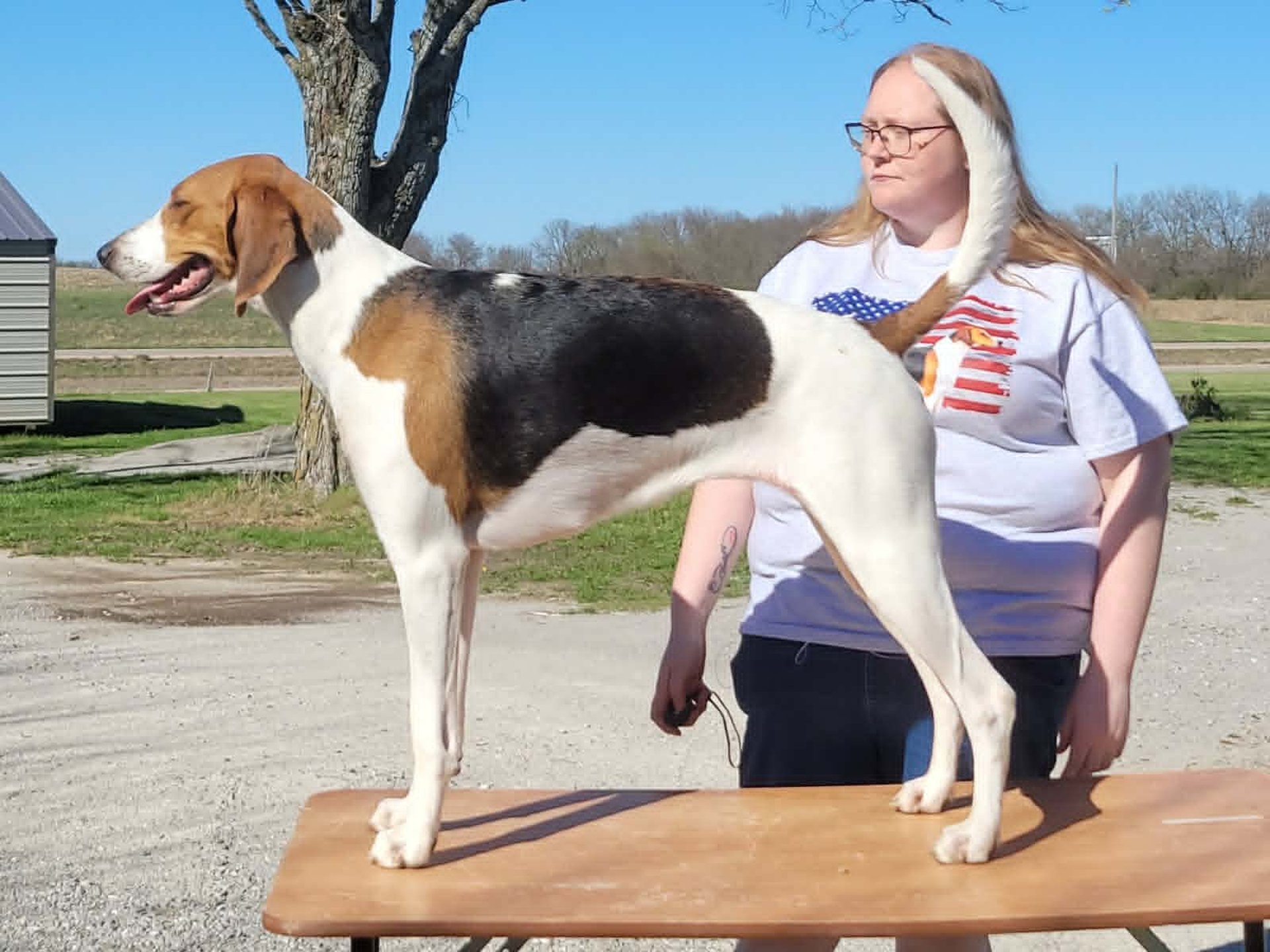
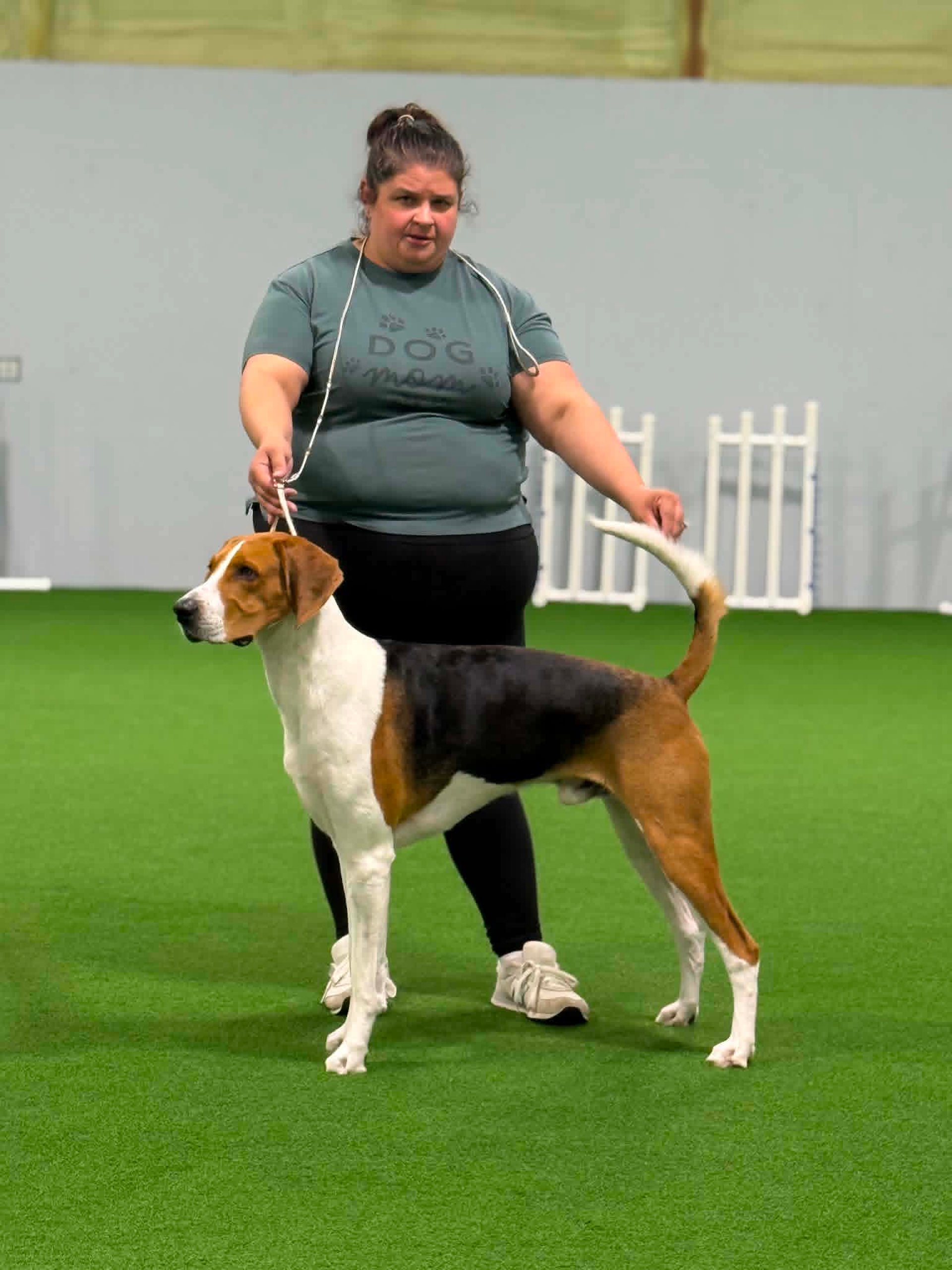
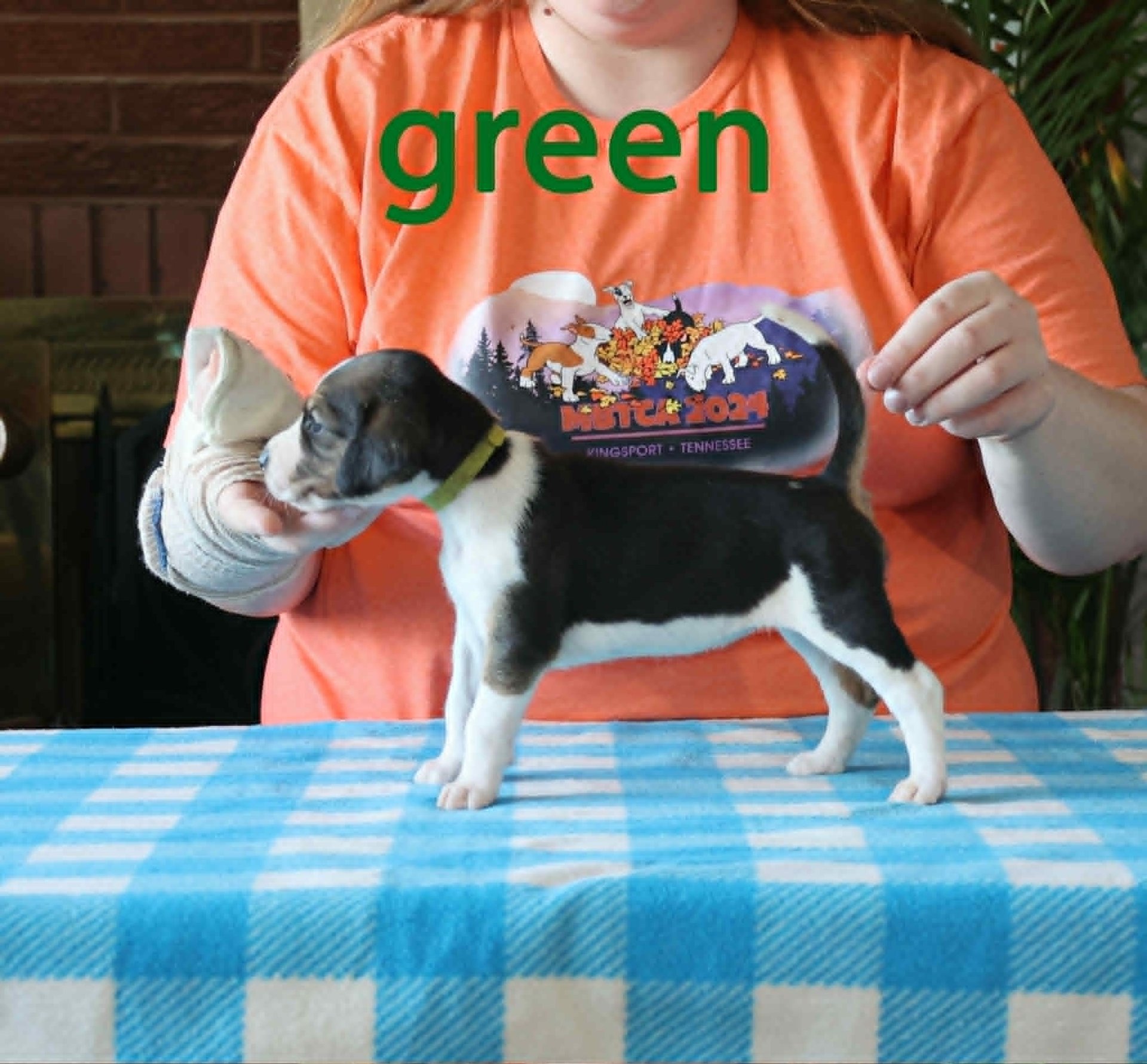
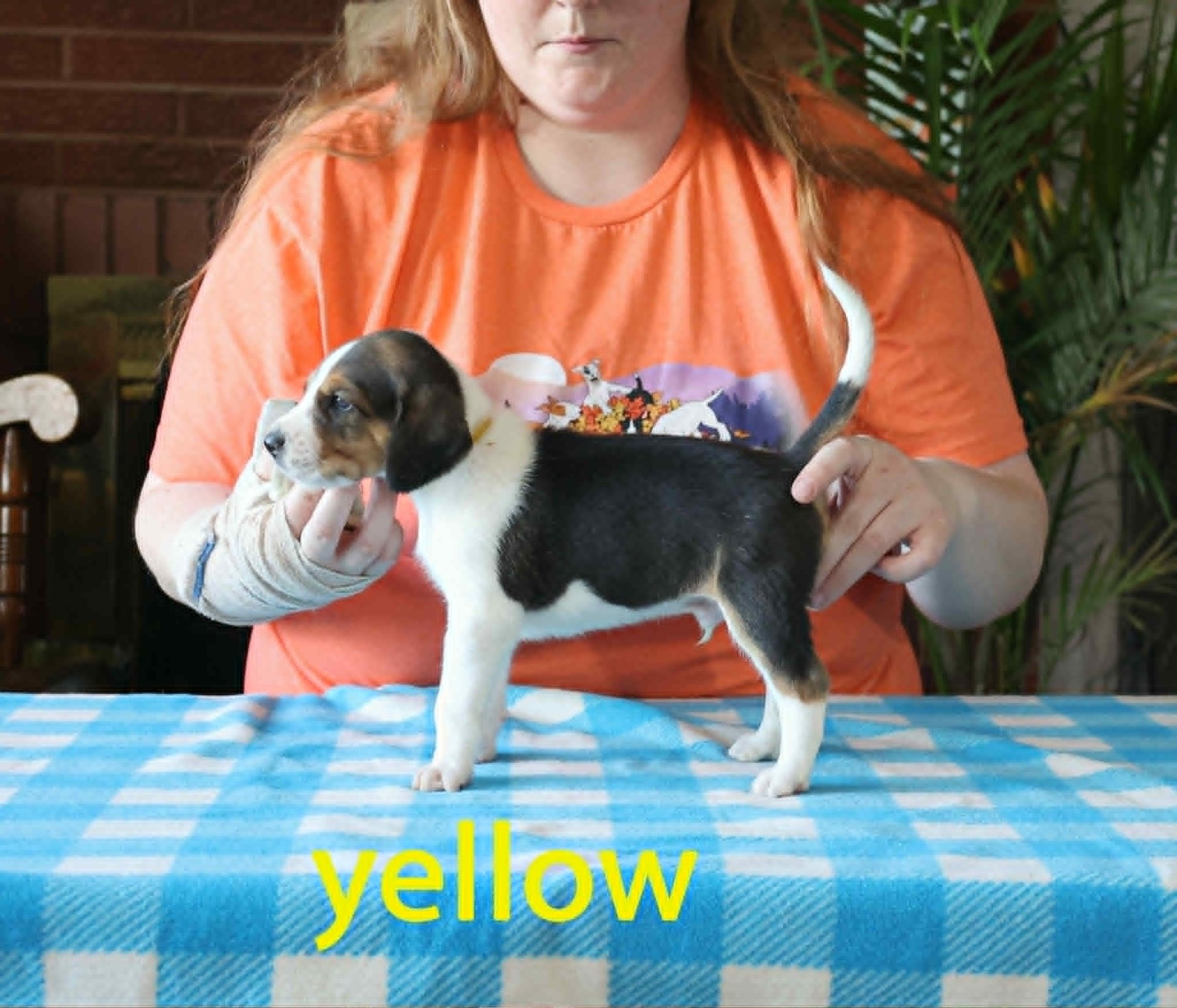
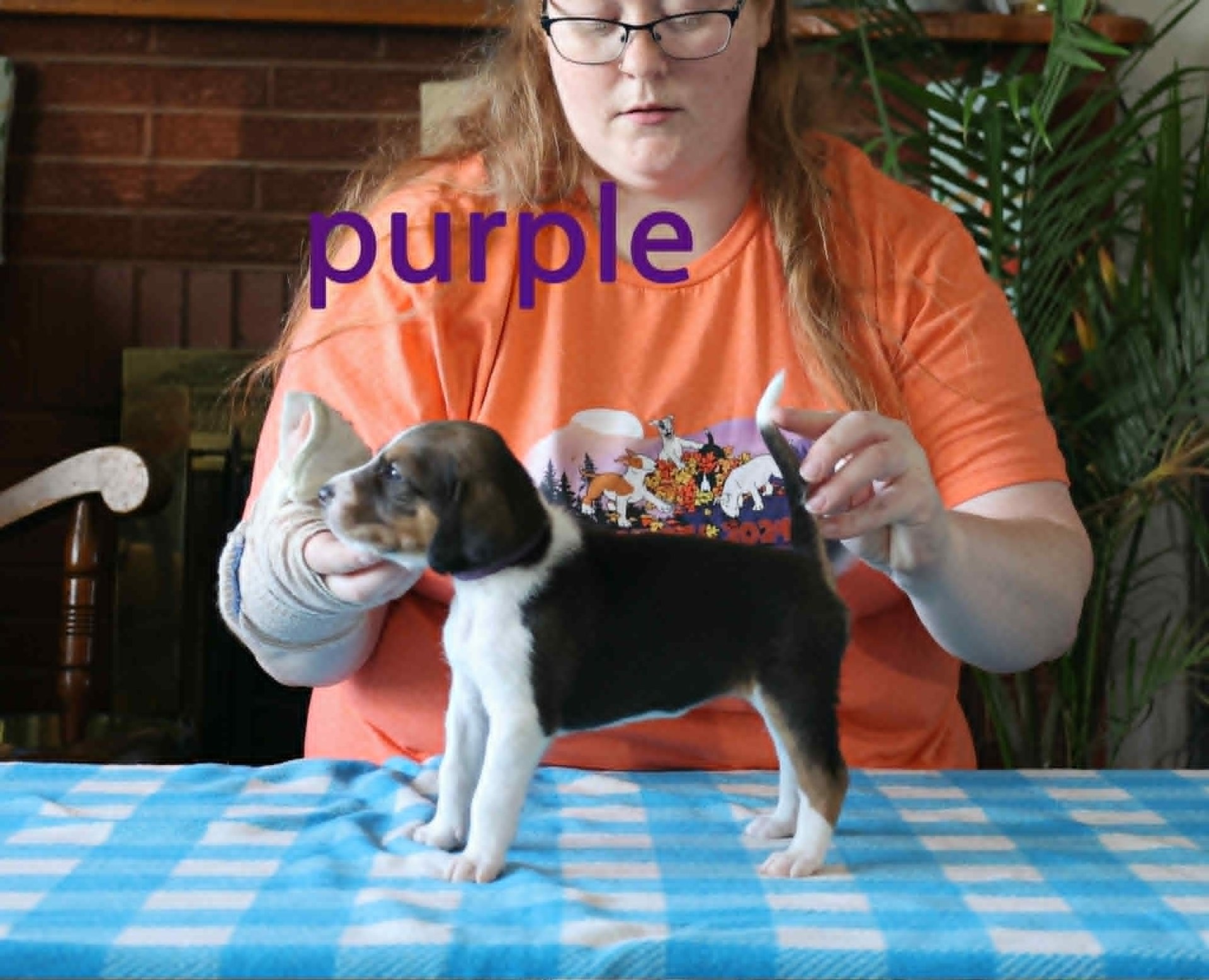
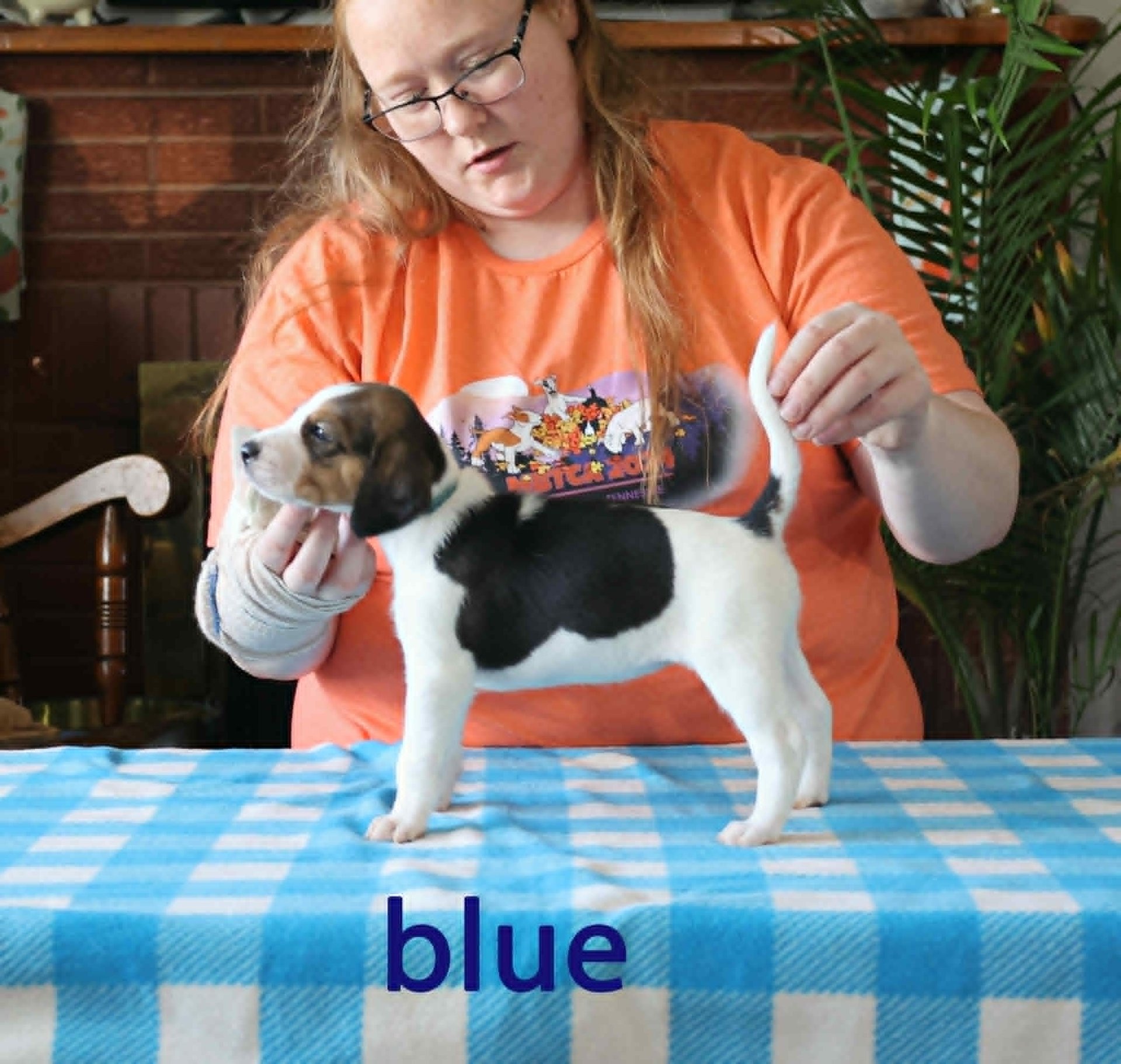
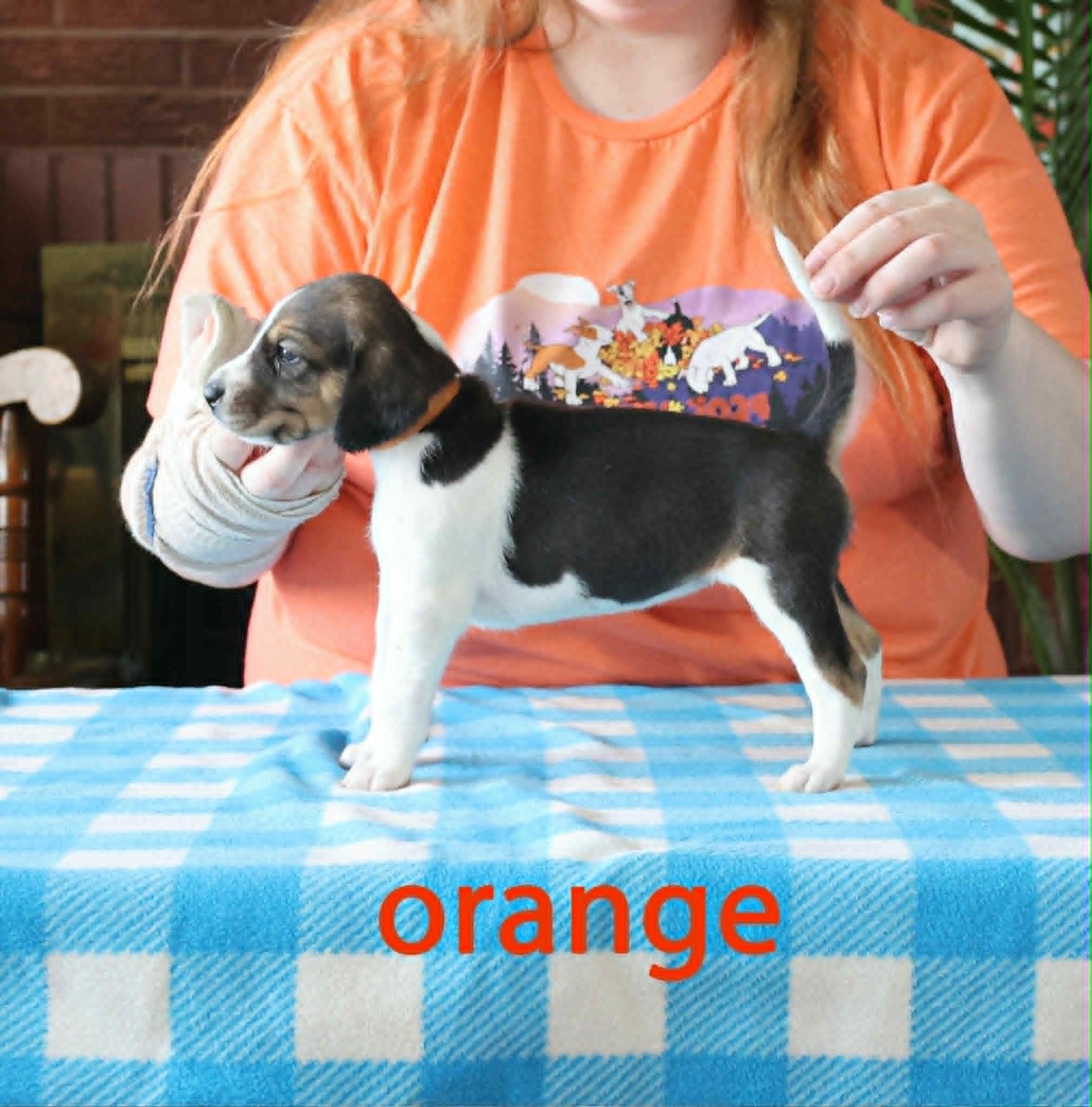
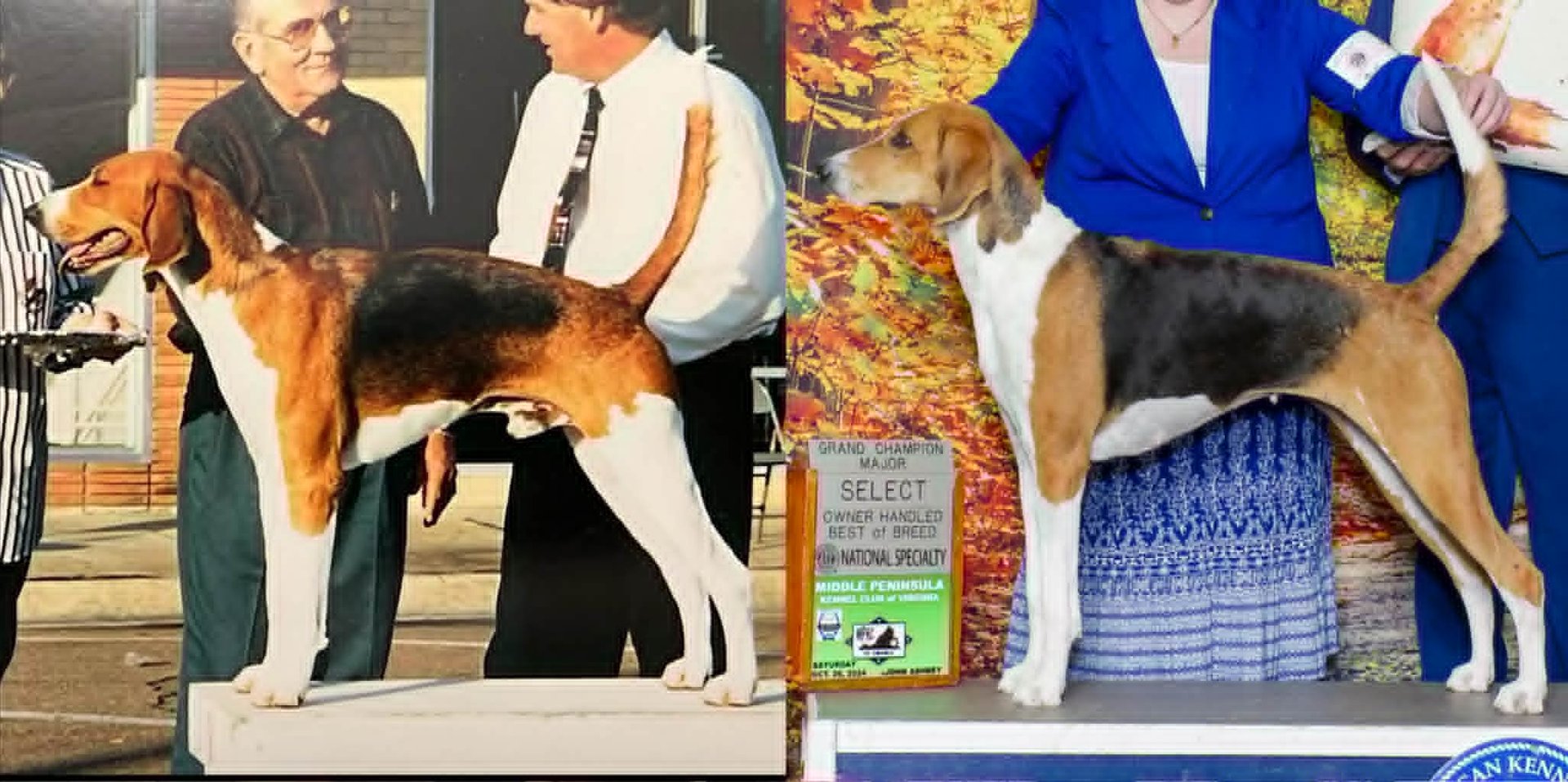
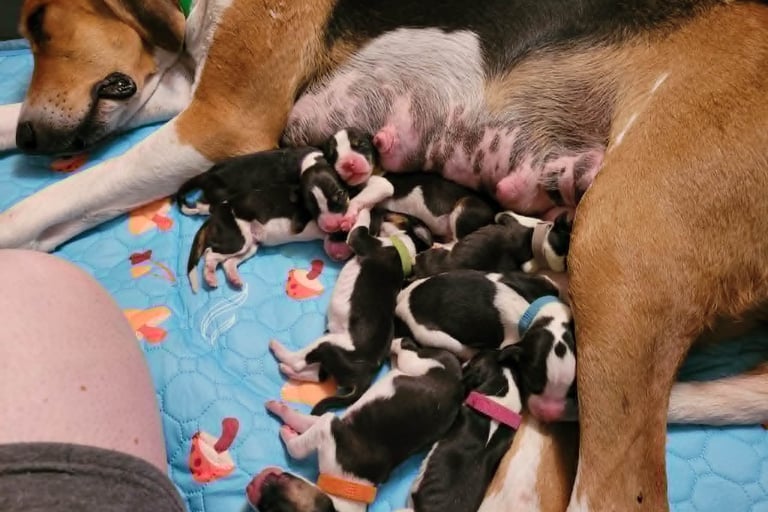
This feature centers on Lindsey May’s recent litter out of GCh. U-Ch Winquest's I need an Alibi CA BCAT TKN FITB BR3K-23 "Tally" sired using preserved semen from Ch. Excel’s Ghost Rider "Ghost". By reaching back to a standout hound of the past, Lindsey aims to bring forward traits that defined an earlier era of the American Foxhound. Paired with insight from Ben White, who owned and preserved Ghost Rider, this conversation ties together history and present-day breeding, offering a look at what can be regained—and carried on—through thoughtful crosses like this one.
Ben White
Can you tell us how you first got started with foxhounds and what the breed looked like back then?
“I was born into foxhounds. My dad always had field bred foxhounds, 15-40 of them. This was way before the days of fox pens. He hunted them at every opportunity when weather conditions were fit for it.
My dad, Hop White, liked and admired a good show hound and would occasionally buy or trade for one so I could show it at bench shows. He judged many open bench shows also.
I will always cherish the memories of my teenage years with my dad and the comradery of the other hunters. His close friends that belonged to our nation’s greatest generation, the WWII generation.
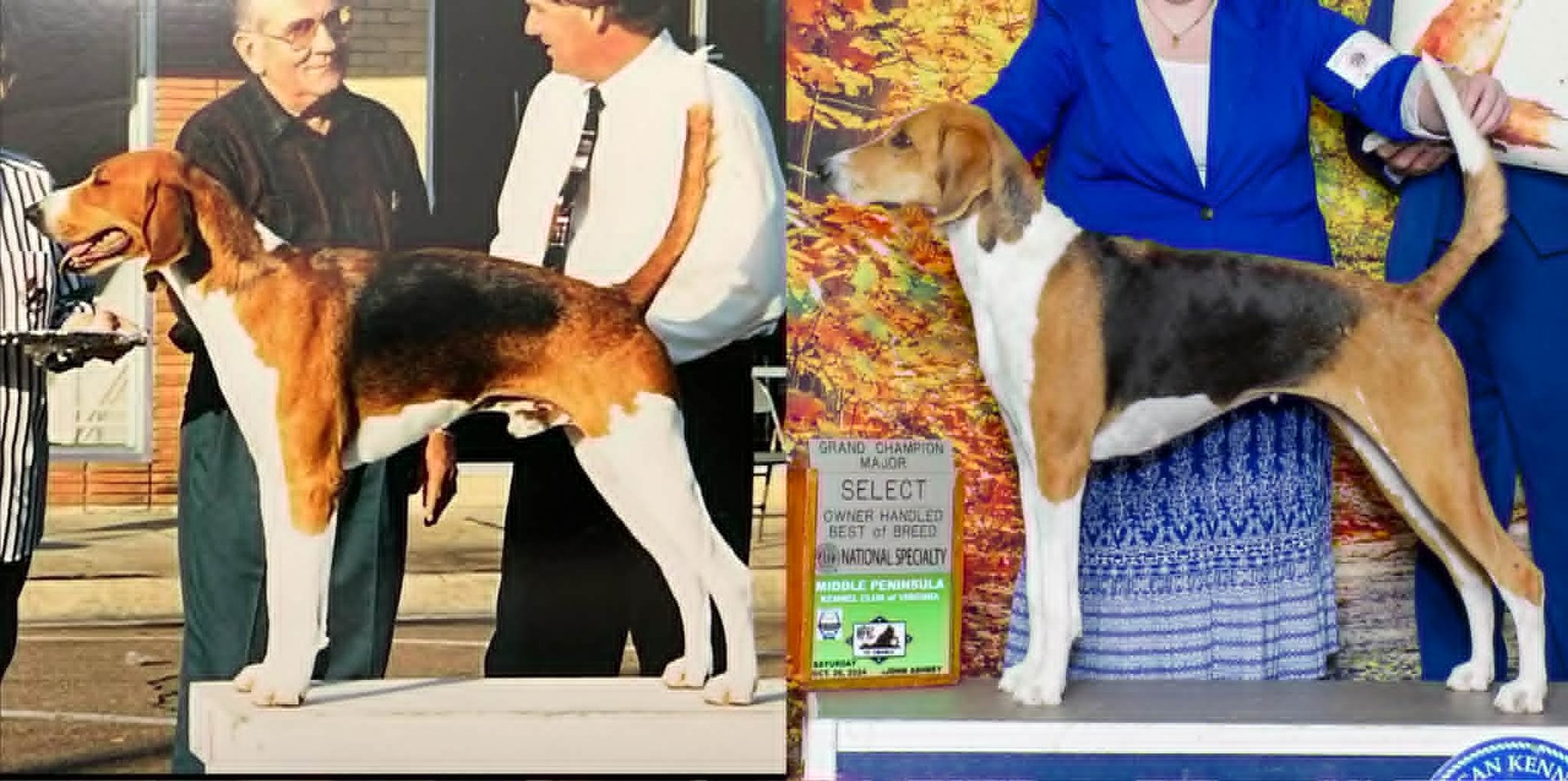
The looks of the breed has changed since those days, both field and show bred hounds. They each had more substance to them, especially the running or field bred hounds. And the overall quality of show hounds has deteriorated with few exceptions. A large part of that I feel is due because the large show hound breeders have died off. For instance, for a few years in the 1970’s Dewey Brown was feeding 250 hounds.
Now days you hardly ever see a show hound with a full deep chest down to their elbows, a nice arched topline and good rear angulation of their back legs.”
Lindsey May
What drew you to use semen from Ch. Excel’s Ghost Rider after so many years?
“I’m always scouting stud dogs, and I knew having straws off a dog from a peak time for show bred hounds could be our ace in the hole when we needed an out. My co-breeder, Karmen Lange, who is my genetics gurus pointed out how not only could the pups really be something but the benefit to the gene pool”
What sets Tally apart and made her your choice as dam for this litter?
“Tally is Tally, she’s impossible not to like. She’s more than proven herself with multiple best in shows, multi champion, national winner along with a string of performance titles. Her pedigree is stacked with dogs from Polk, AA, Carr and Grade A, that’s harder and harder to find these days.”
What were you hoping to bring back or preserve through this breeding?
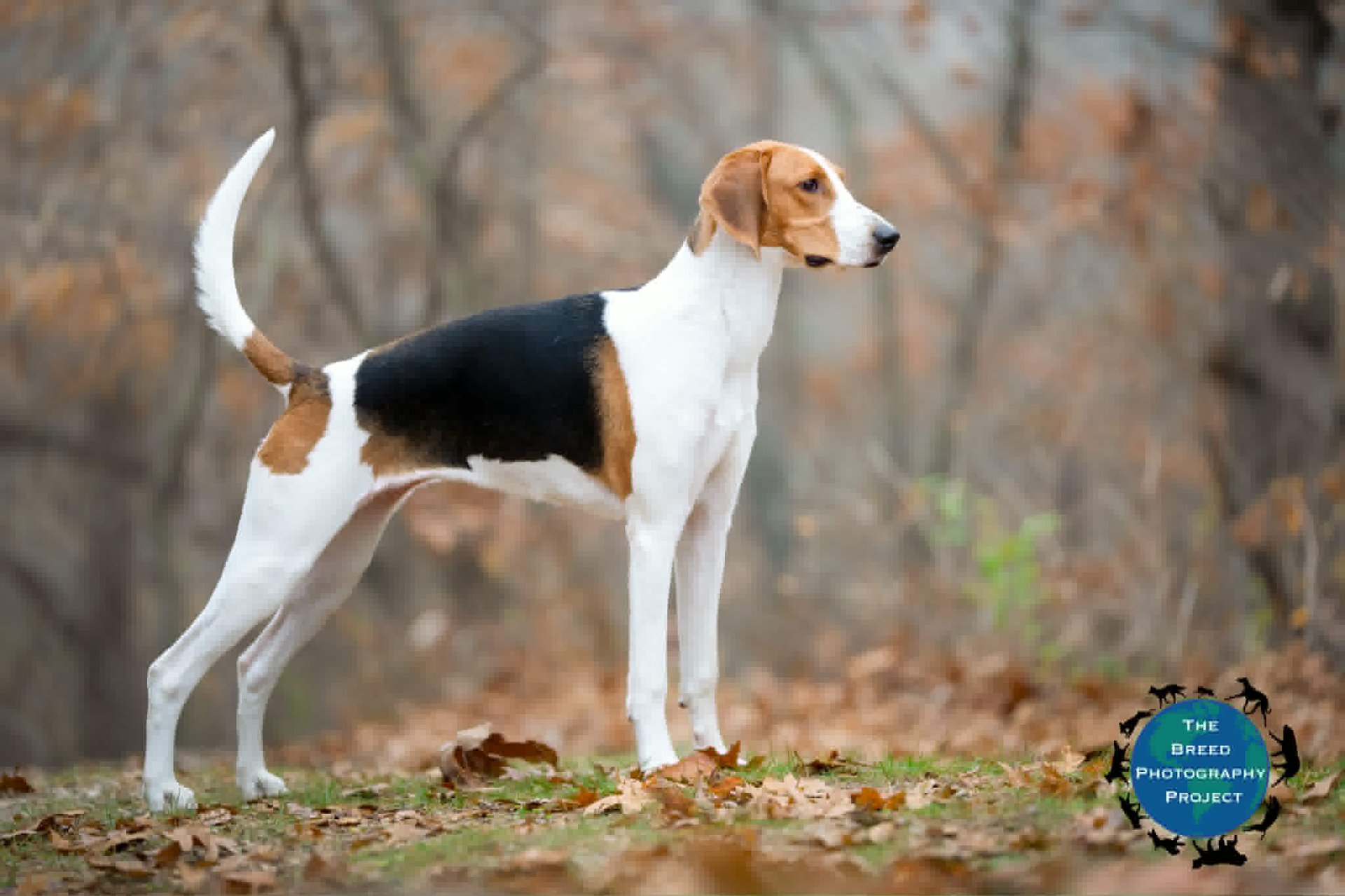
“That classic American Foxhound look the greats of the past had. Now you see some dogs that you’re not sure if they are English or American.”
What was the experience like working with older frozen semen?
“Timing is everything, sperm only lives 12-24 hours after thawing, unlike fresh where you can get up to a week of viability. Your female should be in top shape like any other breeding. Having a great repro vet and team is a must. We were lucky Ghost thawed in pristine condition; I’ve seen fresh collections with poorer numbers.”
Were there any challenges or uncertainties going into the breeding?
“I jokingly call this my jail break litter; it took 2 years to finally get it moved out of Texas and to my vet. Calls and emails from Ben and I went unanswered, if it hadn’t been for Kathy with KCK9 it’d probably still be stuck at Camelot Farms.”
How are the pups from this cross performing?
“I’m thrilled with how everyone is doing. They’re only a year old and 2 have group placements, several have won Best of Breed out of the classes. I’m excited to see them hit the bench this year.”
Do you see traits that feel “different” from modern lines?
“Well, my keeper girl is sure hard to keep in a fence!”
Are there any physical or structural qualities that remind you of older hounds?
“Big wheelhouse chests, toplines and outlines. The one female pup, Tess—Winquest’s Silver Clad Alibi, looks so much like her sire.”
How do these pups compare to current bloodlines?
“There’s nothing out there with a pedigree like theirs. Which will be beneficial with our dwindling gene pool.”
Do you think modern breeding has drifted from the original type or purpose?
“I do, dogs are larger in both height and size.”
Where do you see the breed heading in the future and what do you hope to change, if anything?
“As a breed, we are struggling with blocky heads, flat feet and toplines, and gay tails. My hope is to lock in the type the Winquest line has and keep producing it forward.”
What impact do you hope this litter has on the breed moving forward?
“I was blessed with 4 females and a male show quality pups, with the number of females we have we can try crossing into other lines to see what works. The male is very nice and could help improve the females he’s crossed to.”
If someone new is getting into foxhounds today, what should they focus on?
“Read the standard and figure out what a foxhound should look like to you. Find a litter that has what you’re looking for and a breeder that wants to see you and the breed succeed.”
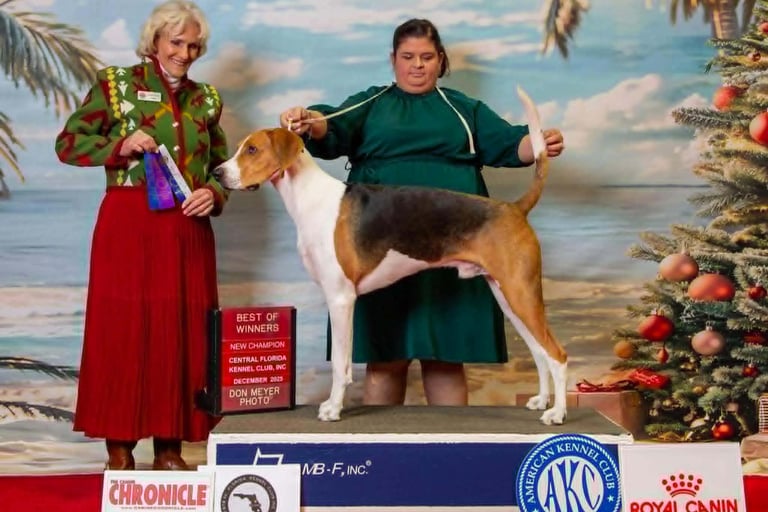
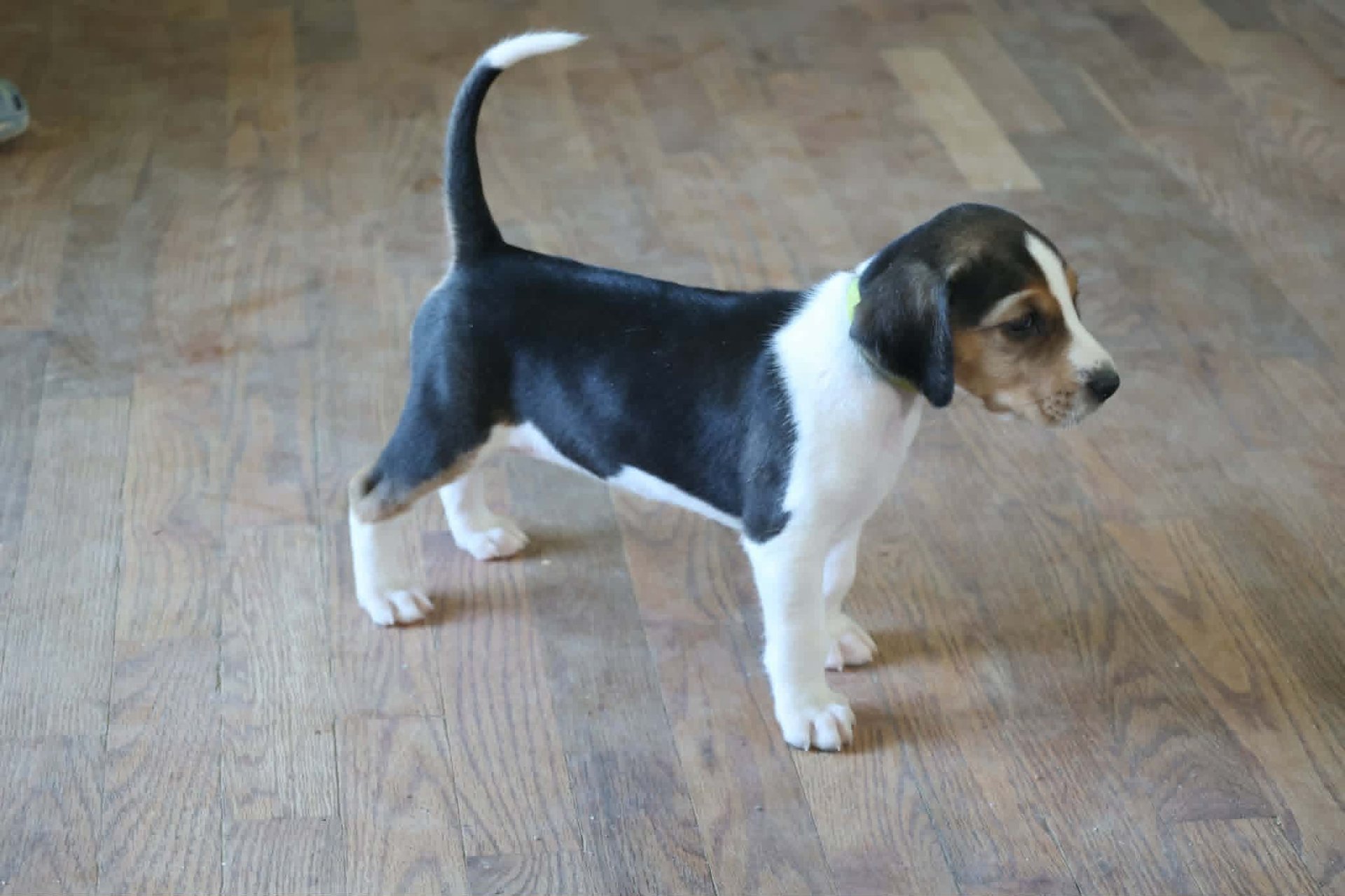
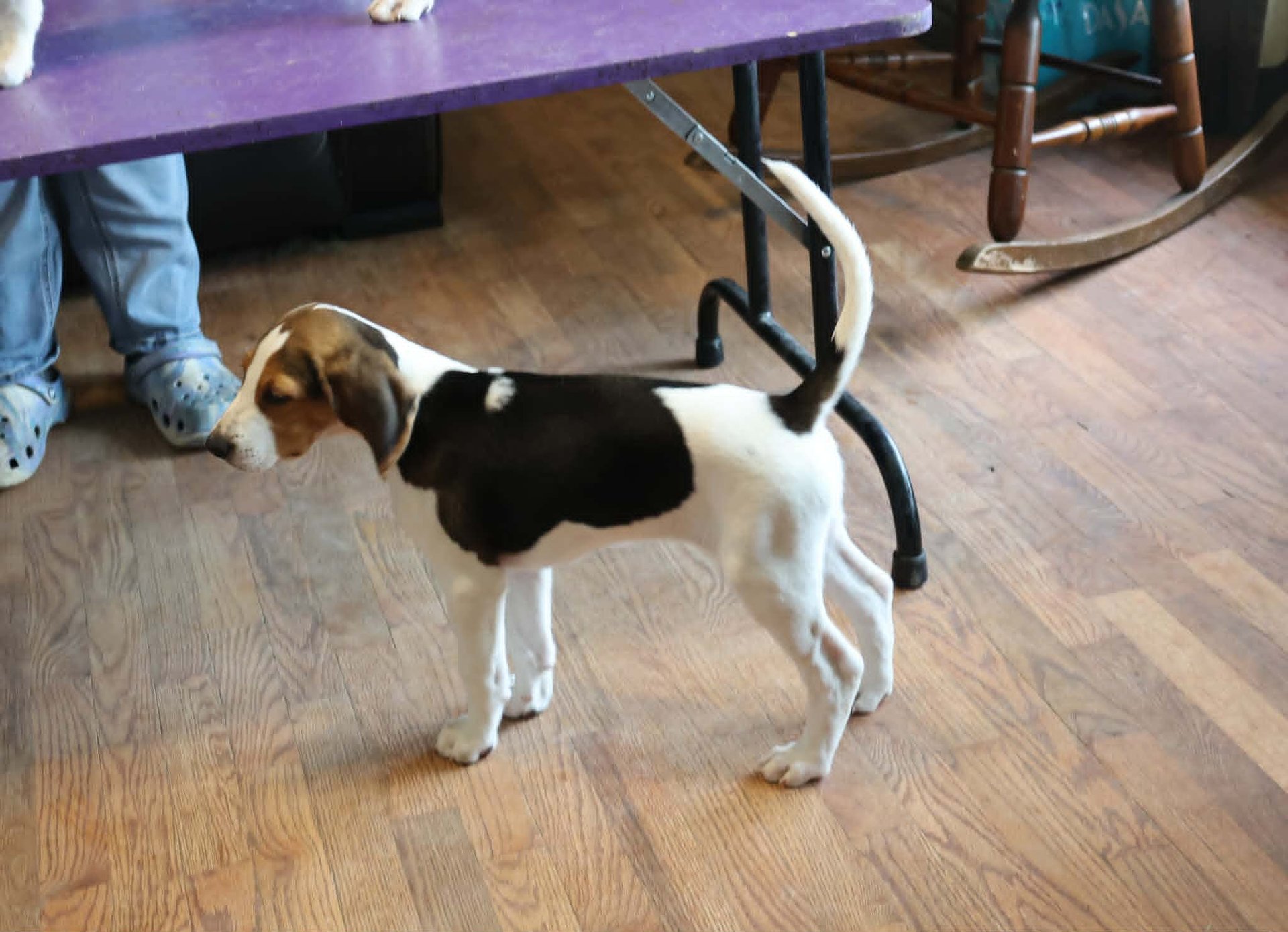
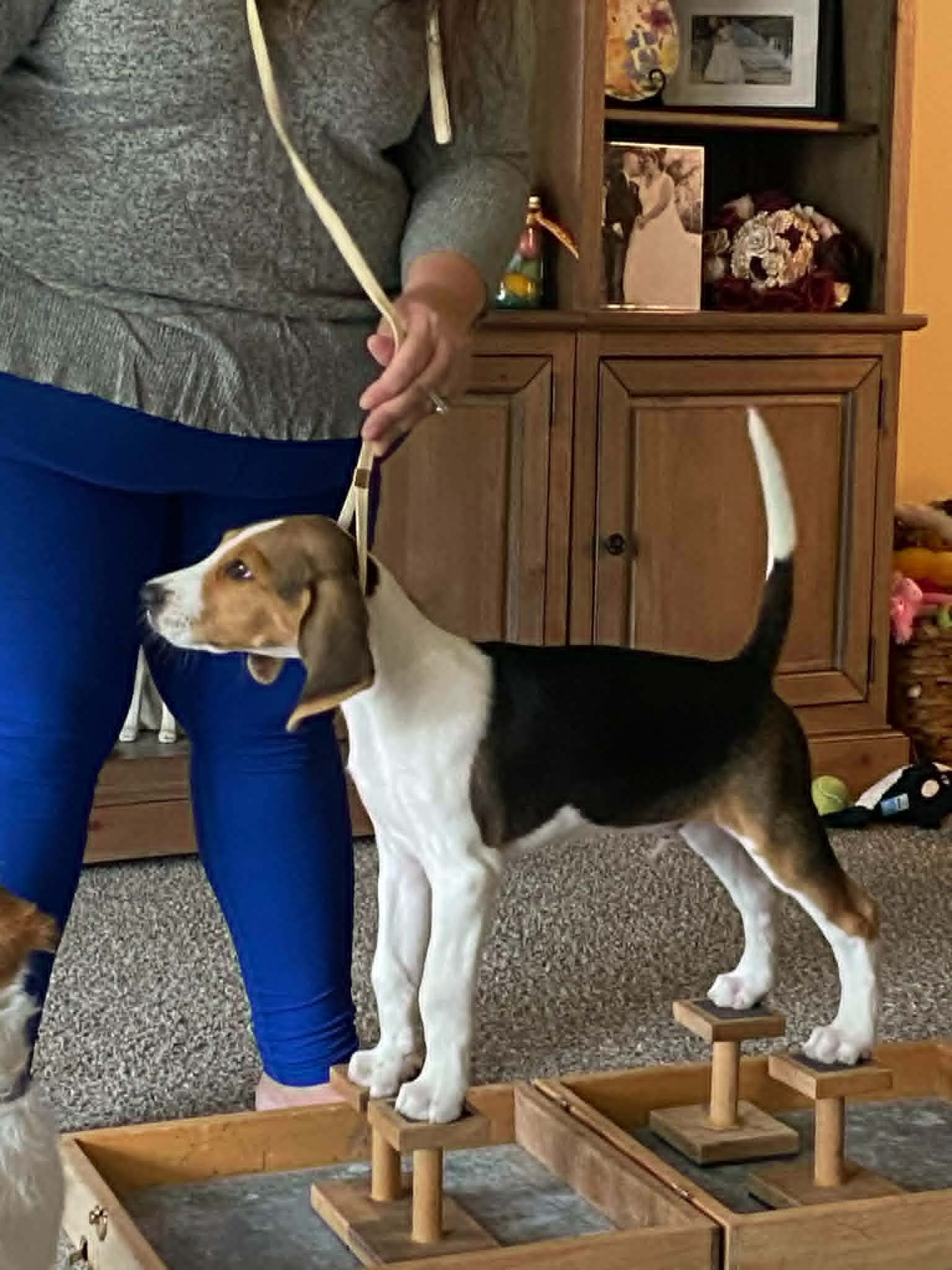
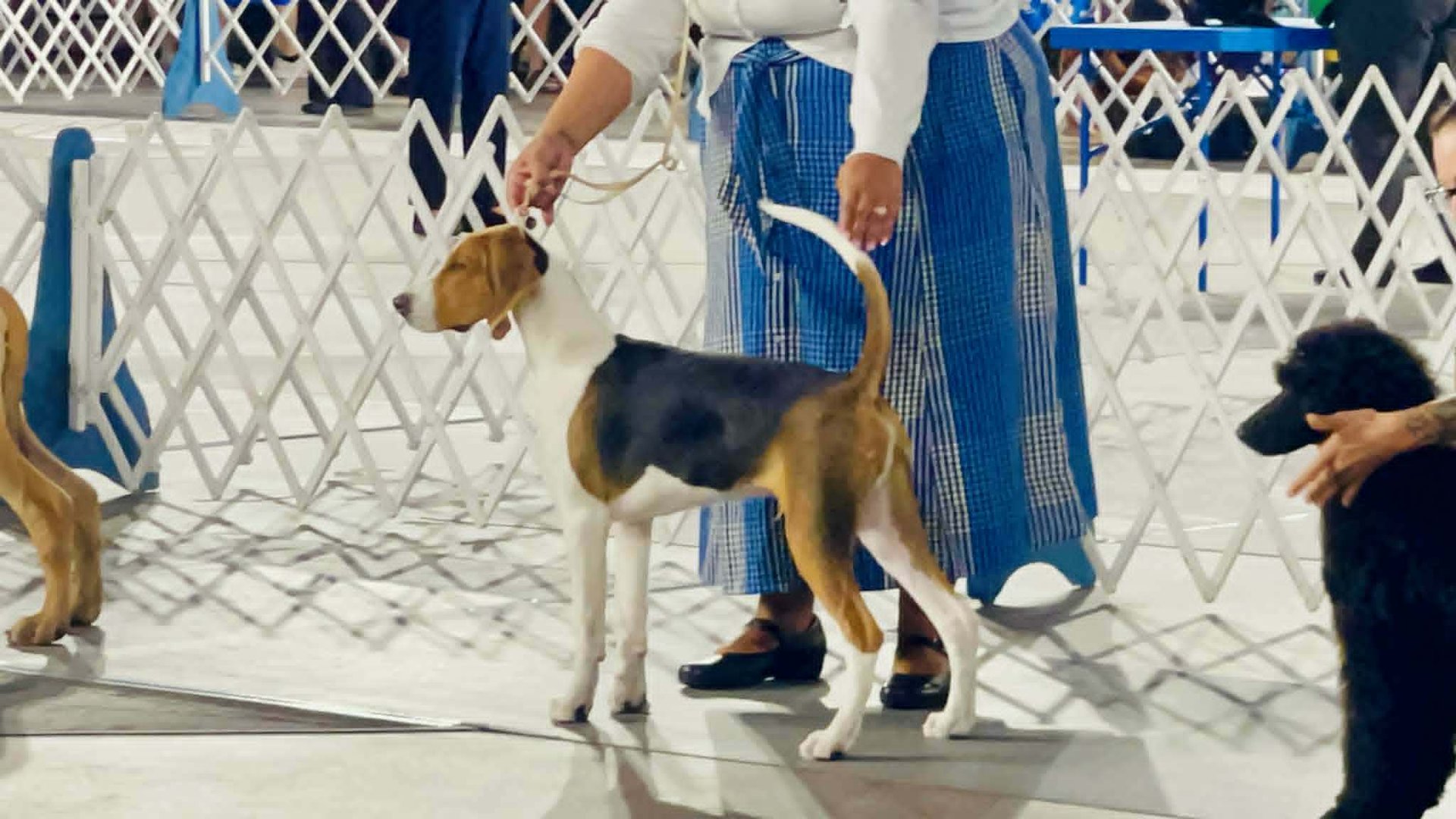
Ch. Winquest's Silver Lining at Xela "Malachi"
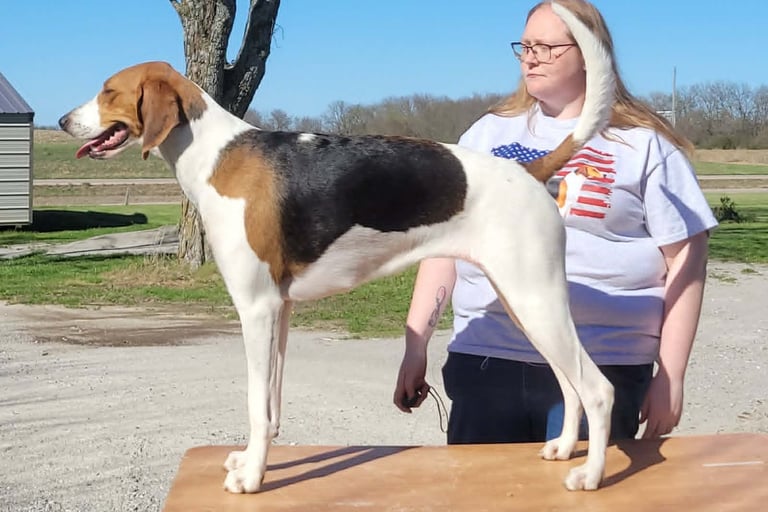
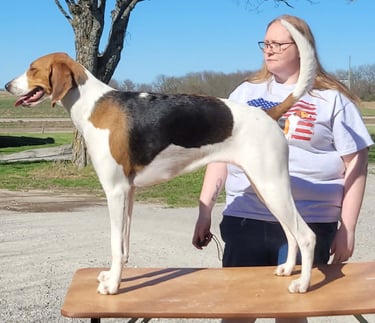
Winquest's Silver Bombshell "Shimmer"
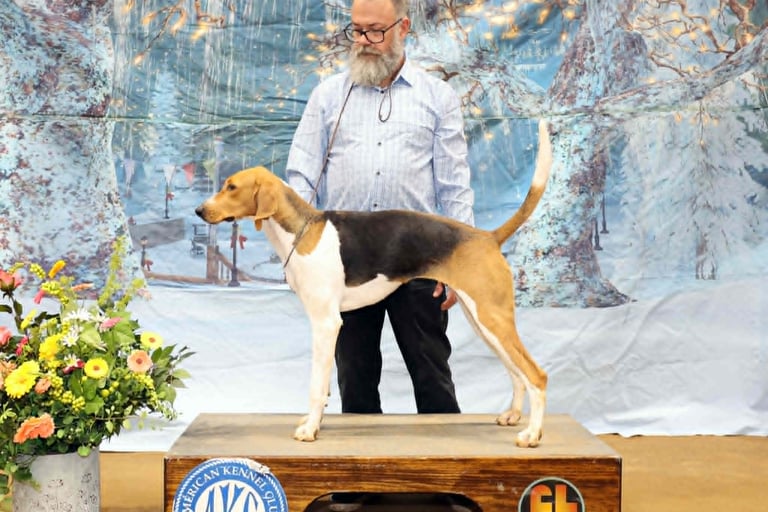
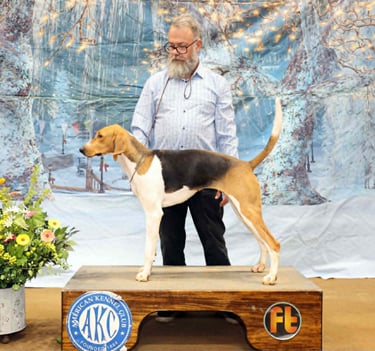
Winquest's Heart on a Silver Plater at Lamp Creek "Billie"
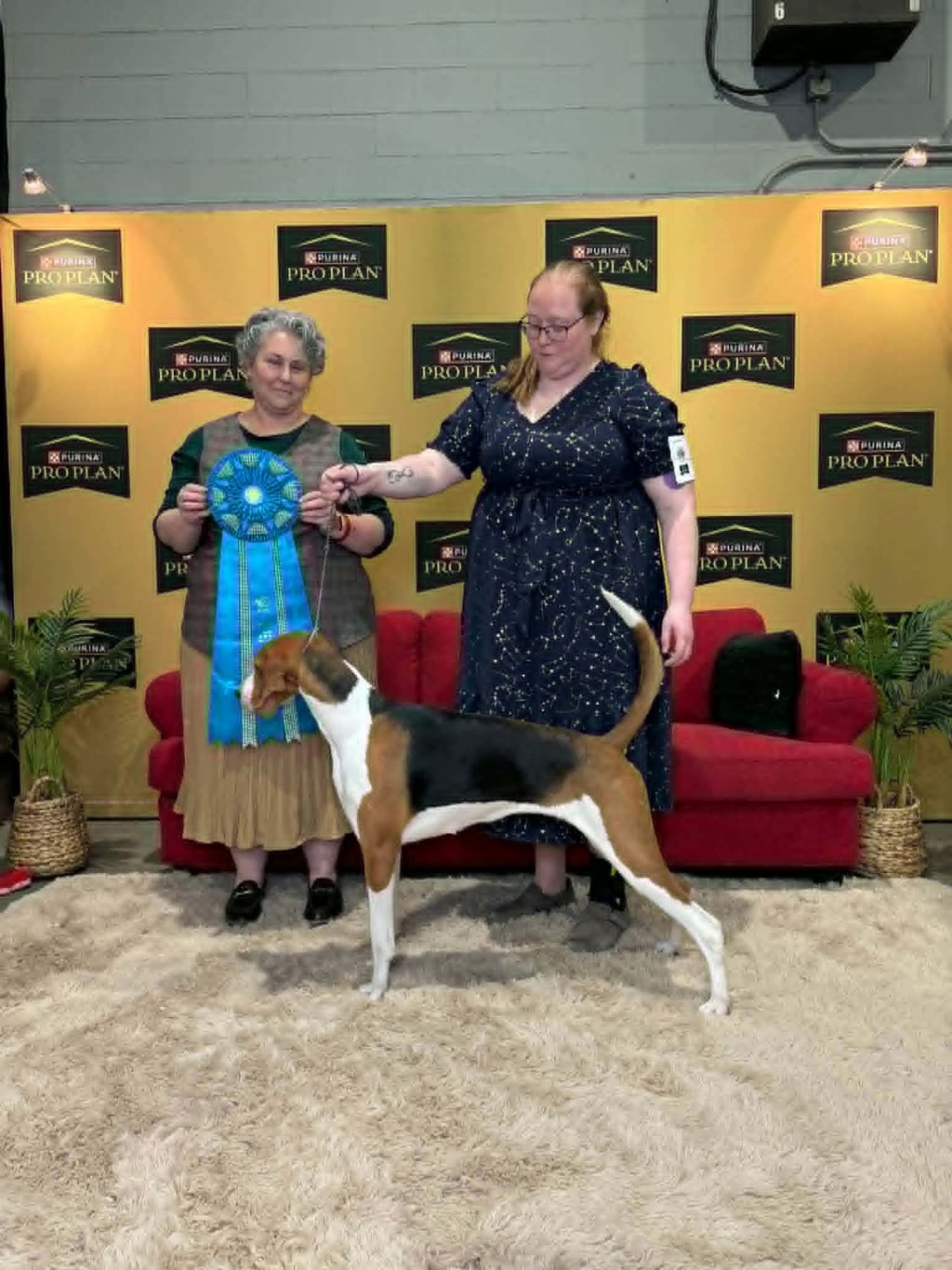
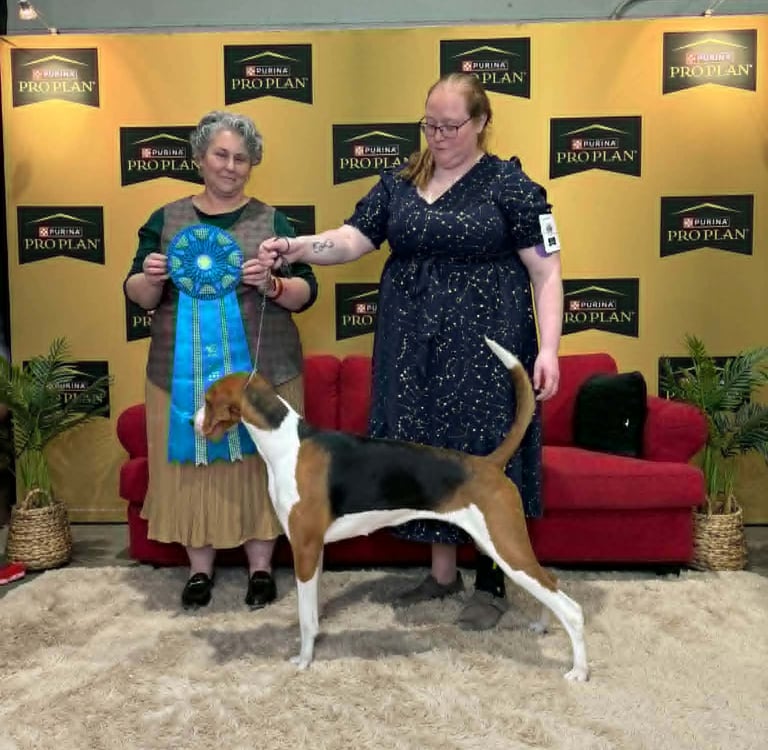
Winquest's By the Light of the Silvery Moon "Phoebe"
Ghost x Tally Pups
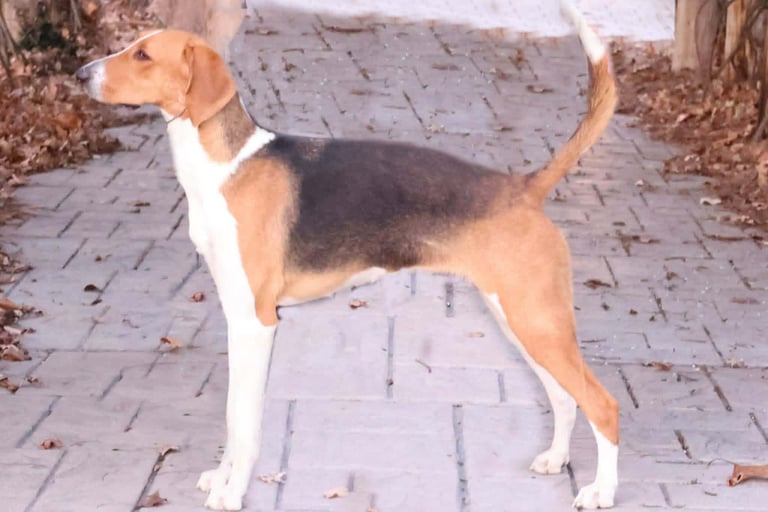
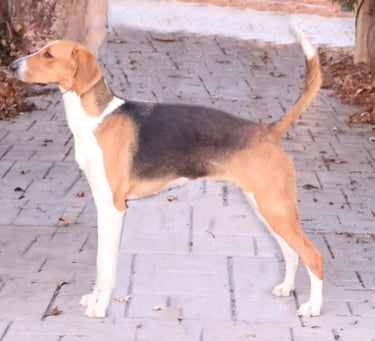
Winquest's Silver Clad Alibi "Tess"
Have a story or interview you would like to see featured?
Email us at foxhoundheritage@gmail.com
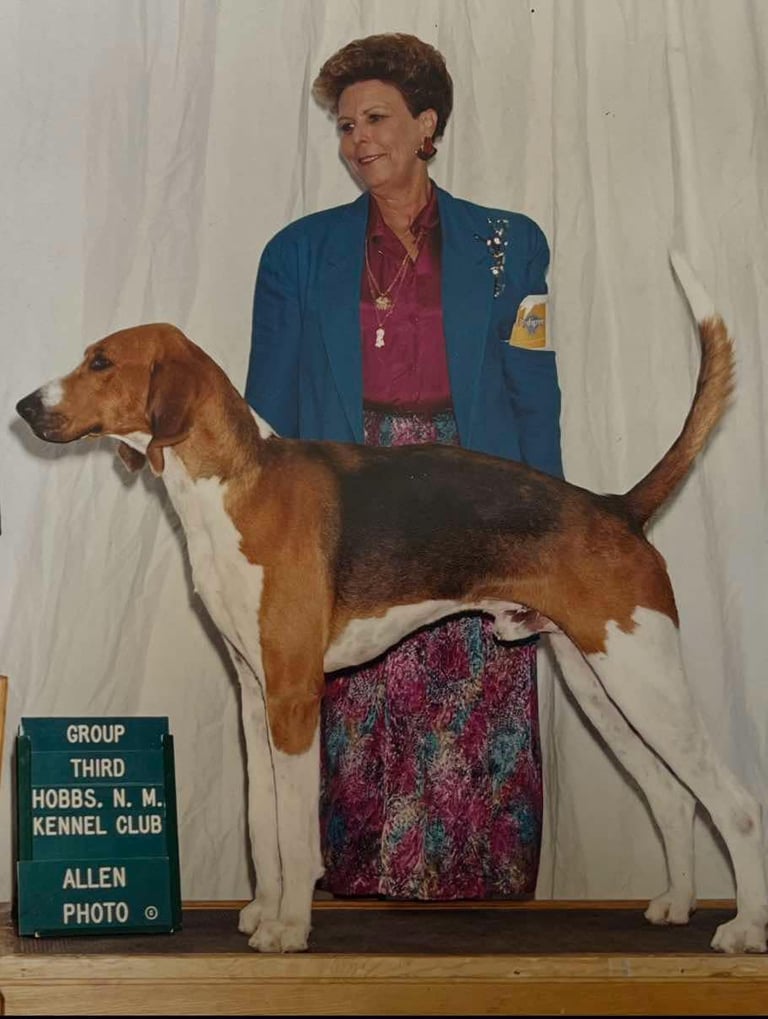
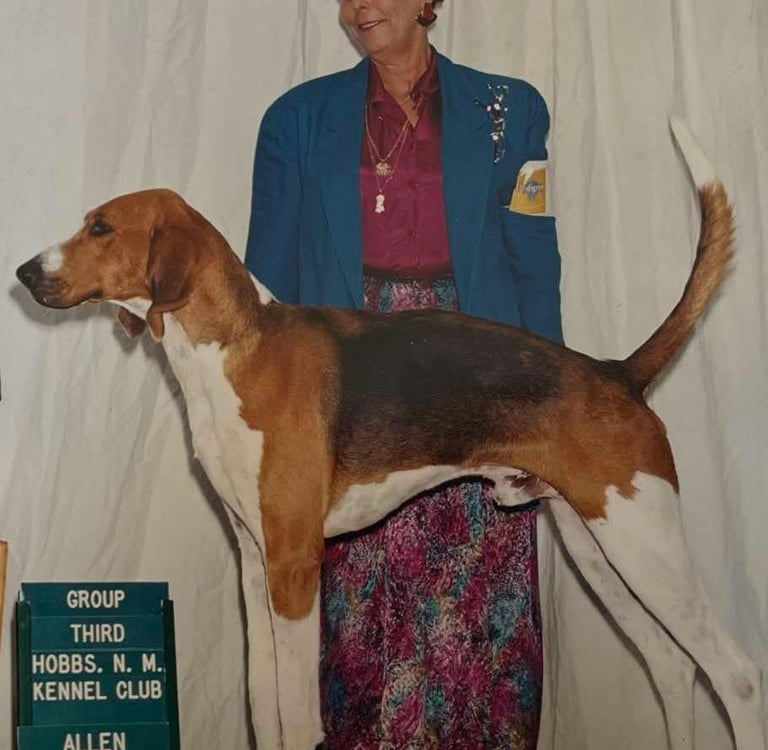
What made Ch. Excel’s Ghost Rider stand out in his time?
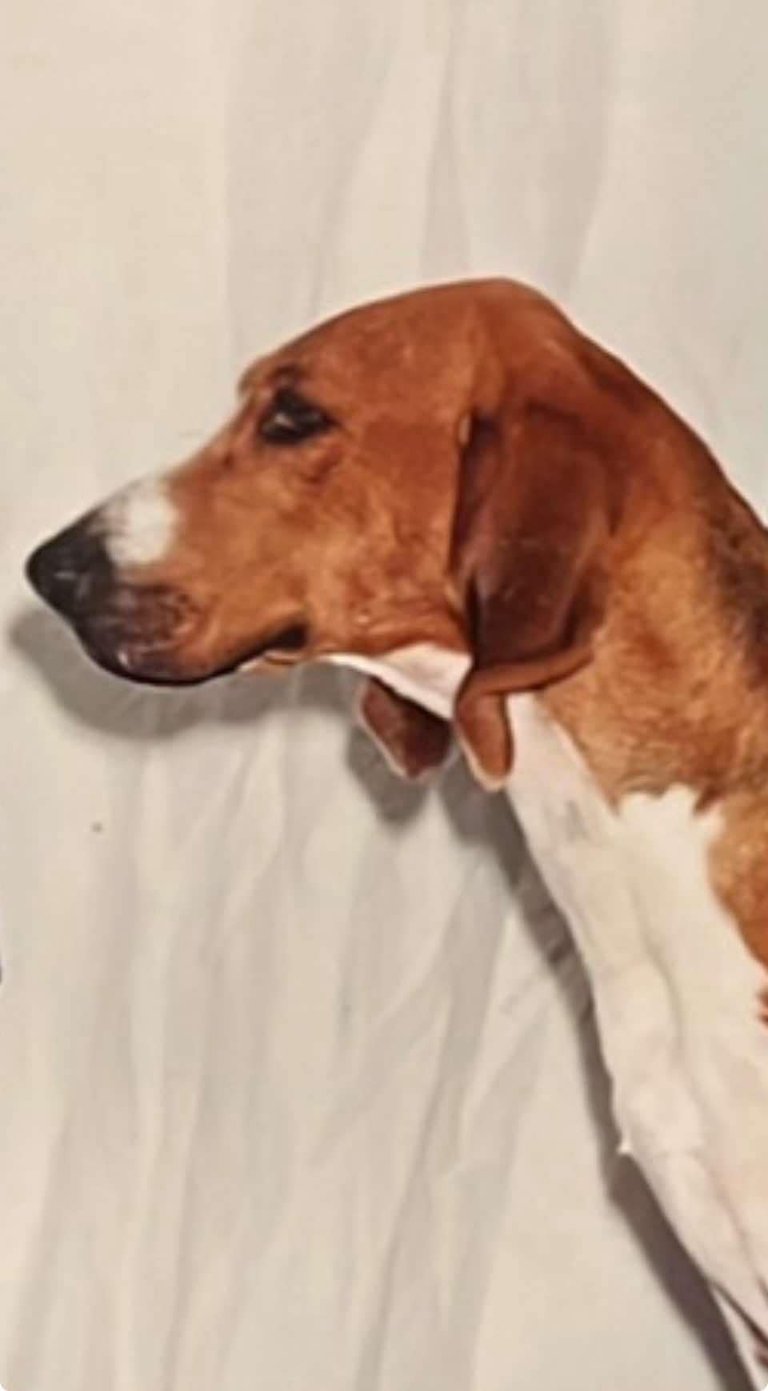
“What made him stand out and I’ve been told this many times was his overall handsomeness. And that was because of his typeyness and his beautiful headpiece. The entirety of the whole package.”
What influenced your decision to collect and preserve his semen when you did?
“I collected his semen because I saw an ad of a business who collected and preserved it and I knew I’d be very lucky to ever have his quality of a stud dog to breed to again.”
How have bench show standards and judging trends changed over the years?
“I haven’t attended the National Bench Show in many years and I can only go by and assess the pictures of the winners and pictures for the most part don’t lie.
As far as judging trends go, a judge can only select from those presented to him or her. This may offend some but the quality of the best in show hounds I see today would be 4th place hounds in their class if they had to compete against hounds presented from the 1970’s to 2000. Again, with few exceptions. You have to understand, in the past all the 10 benches were taken up by show bred hounds from many different kennels.”
Do you think today’s hounds still reflect the original type and function of the breed?
“Yes, I do.”
In your opinion, what defined a great bench show hound back then?
“What defined a great bench show hound back then defines a great bench show hound today. It hasn’t changed. A hound should be built like it was custom made for its intended purpose. To run down and catch a fox or coyote. In the animal world considering the traits of nose, speed and endurance the American Foxhound has no equal.”
What does it mean to you to see his bloodline brought forward today?
“It gives me great pride to see his blood brought forward today and humility because of the positive comments I have received from others.”
If someone new is getting into foxhounds today, what should they focus on?
“My advice for a beginner wanting to start a show hound breeding program is to acquire yourself a good brood bitch. A good blooded, good sized female with friendly temperament (not spooky) and a free and hearty eater. Take her and breed her to the best and nicest stud dog you can. Then take the best female from that litter and do it again. And don’t be kennel blind like some people are, thinking your dogs are the best just because you’re the owner.
It’s quite an undertaking and a hard row to hoe starting out and now days more expensive than it used to be. There will be many disappointments and hard luck along the way but many thrills and constant pride of ownership to make it all worth while.”